Protective Coatings for Sheet Metal Parts
Your parts need to resist corrosion, stay fingerprint-free, and arrive without rust, we handle all three as part of your fabrication program. Send us your requirements and we’ll recommend the right coating.
Not Every Part Needs Color. Some Just Need to Last.
Unlike powder coating or anodizing, protective coatings aren’t about how your parts look — they’re about how your parts perform. Whether that means surviving 1,000 hours of salt spray, keeping a brushed stainless panel smudge-free after installation, or simply making sure nothing rusts before it reaches your assembly line.
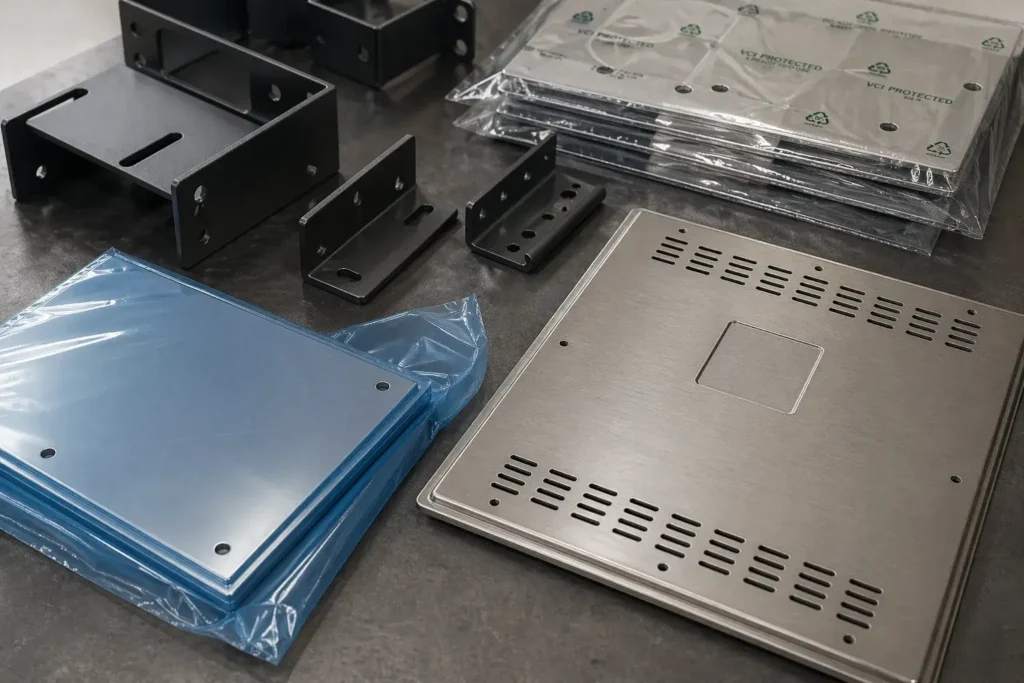
We offer three types: e-coating for corrosion protection on complex geometries, anti-fingerprint (AFP) coating for visible surfaces, and temporary anti-rust treatments for shipping and storage. The right choice depends on your material, your part geometry, and what the part will face in service.
The real challenge isn’t finding someone who can coat your parts. It’s making sure the coating spec is right for the application — and that the result is verified before it ships. That’s easier when your coating partner is also your fabrication partner, because we see the full picture from the start.
Three Protective Coating Categories, One Managed Process
E-Coating: Uniform Corrosion Protection for Complex Geometries
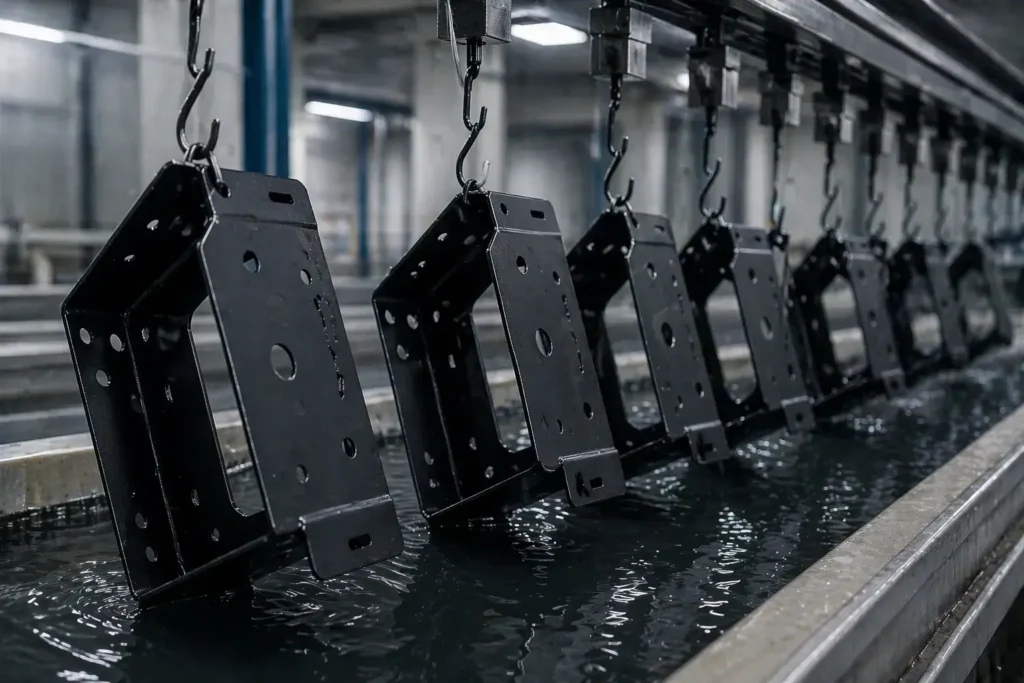
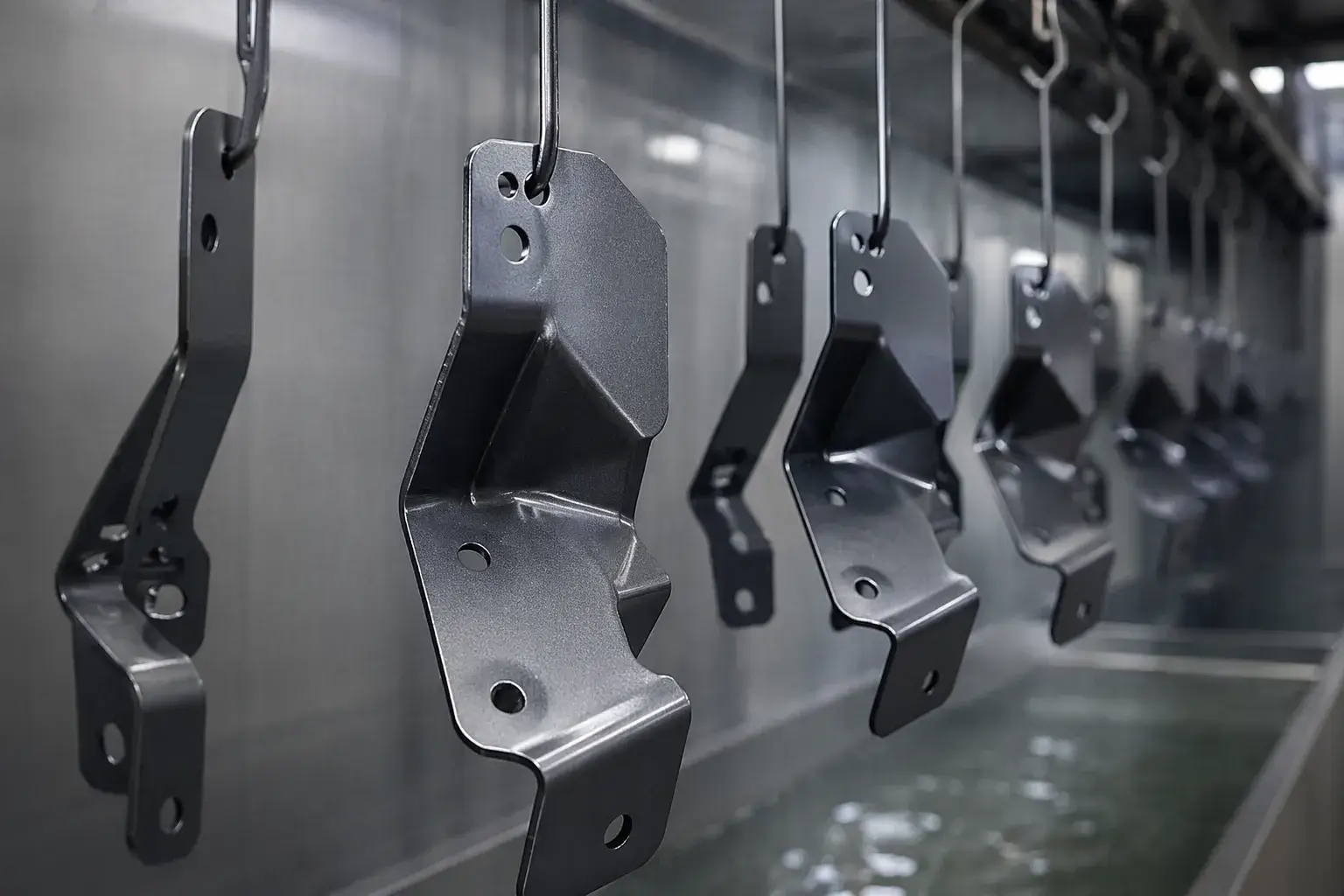
E-coating, also called electrocoating or cataphoresis, is an immersion process. Your parts go into a bath of electrically charged paint particles, and the current draws the coating uniformly onto every surface: edges, weld seams, internal flanges, recessed pockets, and areas that spray coating simply cannot reach.
We use cathodic e-coating, the industry standard for automotive and industrial applications. Cathodic systems produce less iron dissolution into the coating film, which means better corrosion performance and longer service life.
E-coating is often used as a corrosion primer rather than a standalone finish. For parts in harsh environments, a dual-coat system, e-coat primer followed by powder coat topcoat, gives you both complete geometry coverage and the color and UV resistance you need on the outside.
Bottom line: If your parts have complex geometry, hidden cavities, or welded assemblies where uniform corrosion protection matters, e-coating covers surfaces that no spray process can reach — at a lower applied cost per square foot than most alternatives.
Full E-Coating Specifications
| Process type | Cathodic electrodeposition |
| Coating material | Epoxy (corrosion) or acrylic (UV-resistant) |
| Film thickness | 15–25 μm (adjustable by voltage) |
| Salt spray resistance | 500–1,000+ hours (per ASTM B117) |
| Compatible substrates | Steel, galvanized steel, aluminum, cast iron |
| Max part size | Depends on project — contact us with your dimensions |
| Color options | Black, gray, primer (limited palette — not decorative) |
| Environmental | Water-based, near-zero VOC, ~100% transfer efficiency |
| Compliance | RoHS, REACH, ISO 12944 |
Anti-Fingerprint Coating: Invisible Protection for Visible Surfaces
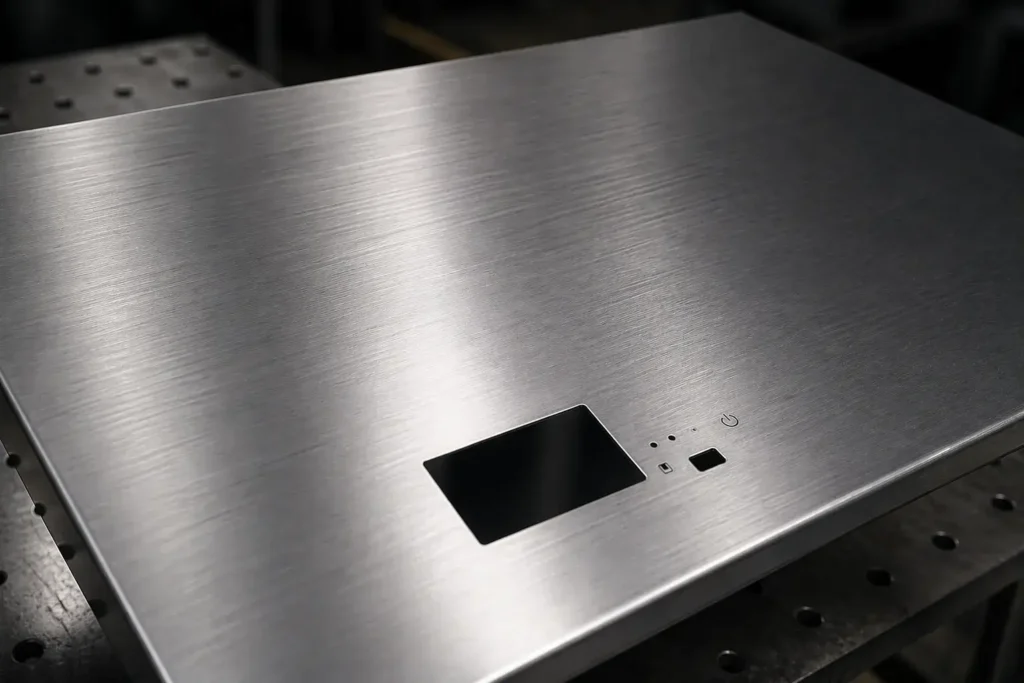
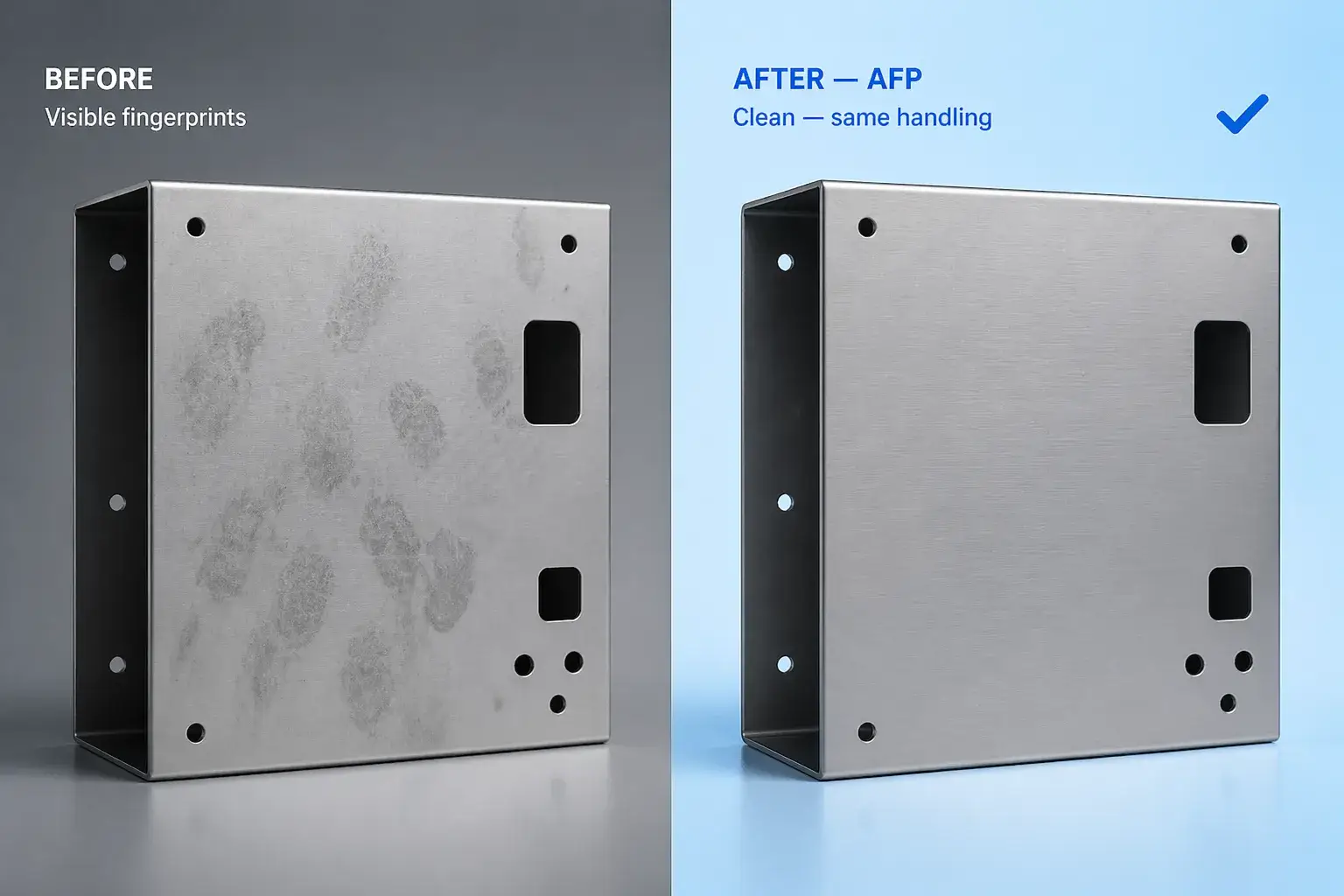
Your brushed stainless appliance panel looks great in the factory. After three people handle it during installation, it doesn’t. Anti-fingerprint coating solves this.
AFP is a transparent nano-coating, typically fluorocarbon polymer, applied in an ultra-thin 2–8 μm layer. It doesn’t change the way your surface looks. The brushed grain, satin texture, or bead-blasted pattern shows through unchanged. What changes is how the surface responds to contact: fingerprints become nearly invisible, smudges wipe clean with a dry cloth, and the surface resists light scratches under normal use.
AFP is applied as the final step in the production sequence, after all mechanical finishing (brushing, polishing, bending) is complete. Roller coating gives the best uniformity on flat sheet; spray coating works for formed parts.
Compatibility note: AFP works best on brushed (#4), hairline (HL), satin (#6), bead-blasted, and etched surfaces. We don’t recommend it on mirror (#8) — standard formulations can create visible orange-peel texture on highly reflective surfaces.
Full AFP Coating Specifications
| Coating material | Fluorocarbon polymer nano-coating |
| Film thickness | 2–8 μm |
| Transparency | Optically clear — does not alter base finish |
| Pencil hardness | 2H–4H |
| Salt spray | Up to 500 hours (per ASTM B117) |
| Compatible finishes | Brushed (#4), HL, satin (#6), bead-blasted, etched |
| Not recommended | Mirror (#8) — risk of orange-peel texture |
| UV stability | Stable — no yellowing |
| Compliance | Per client specification |
Anti-Rust & In-Transit Protection: From Factory to Destination
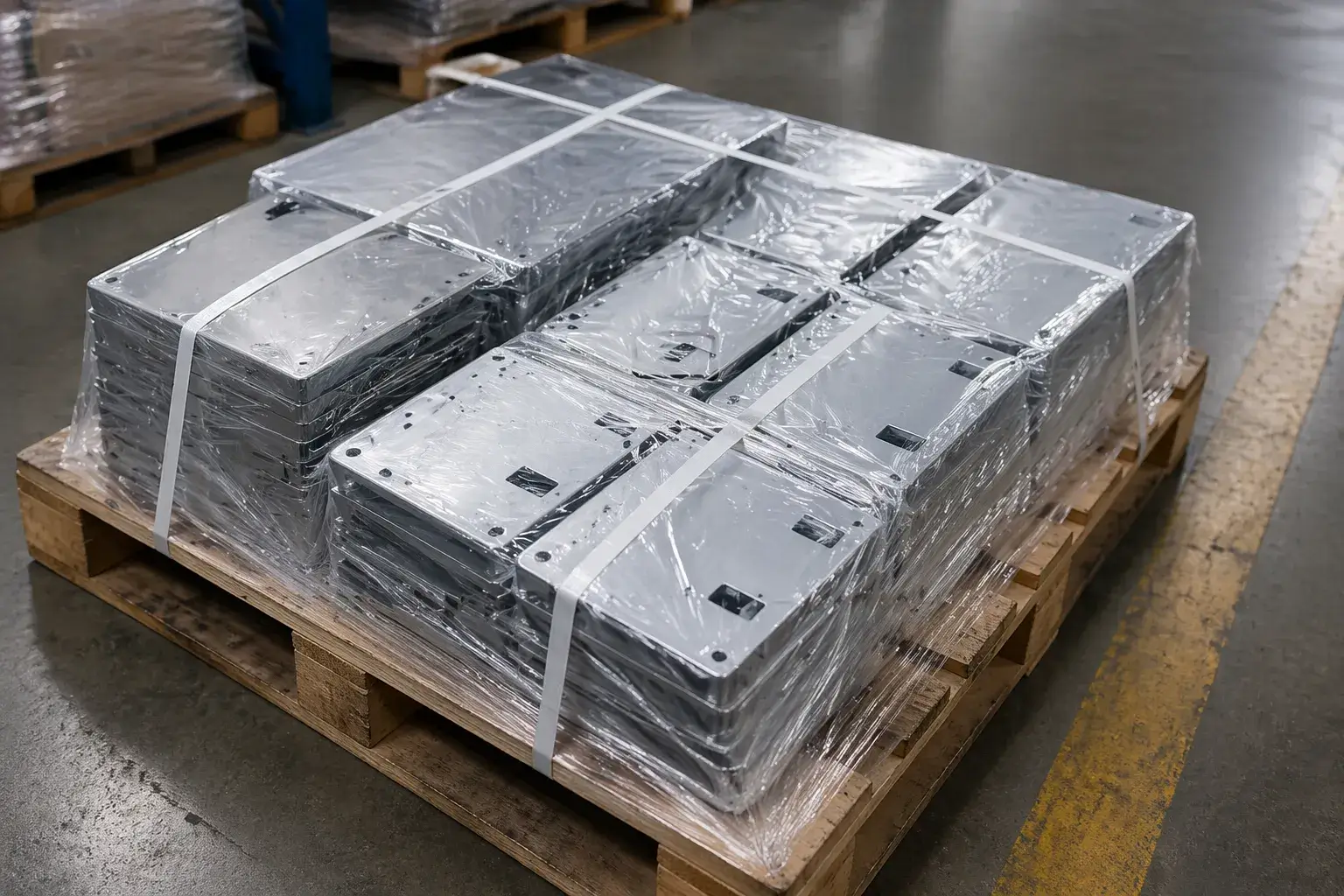
Corrosion doesn’t wait for your parts to arrive. Humidity, salt air during ocean freight, condensation in unheated warehouses — all of these can damage unprotected steel surfaces between our factory and your assembly line.
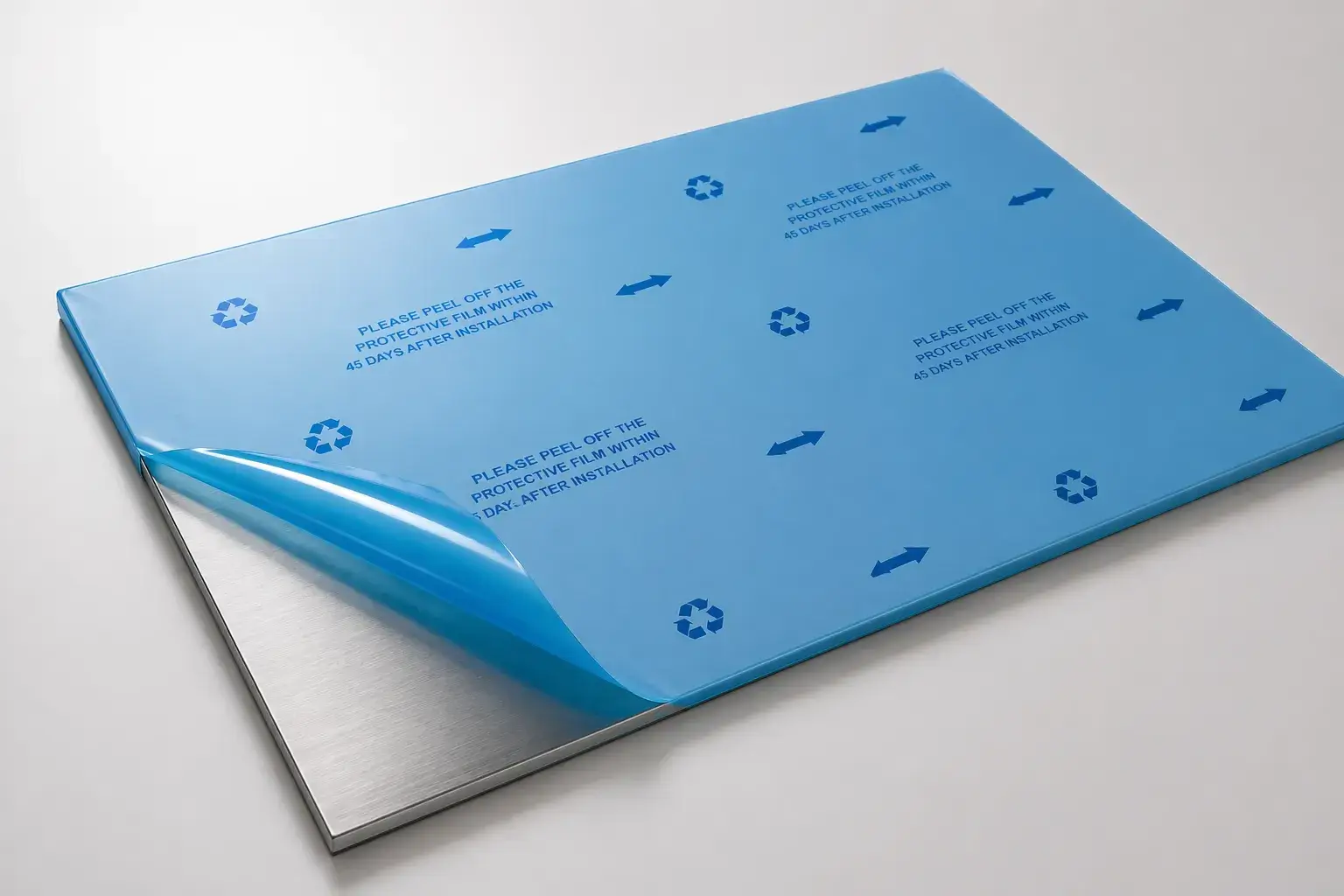
Temporary protective coatings prevent this. Unlike e-coating and AFP, these treatments are designed to be removed after the part reaches its destination. ZAK applies these in-house as part of our standard packaging process.
When to specify: If your parts ship by ocean freight, will be stored for more than two weeks, or are carbon steel in a humid environment, specify VCI packaging or anti-rust oil on your order. Standard PE film alone may not be sufficient.
How Your Coating Gets Done
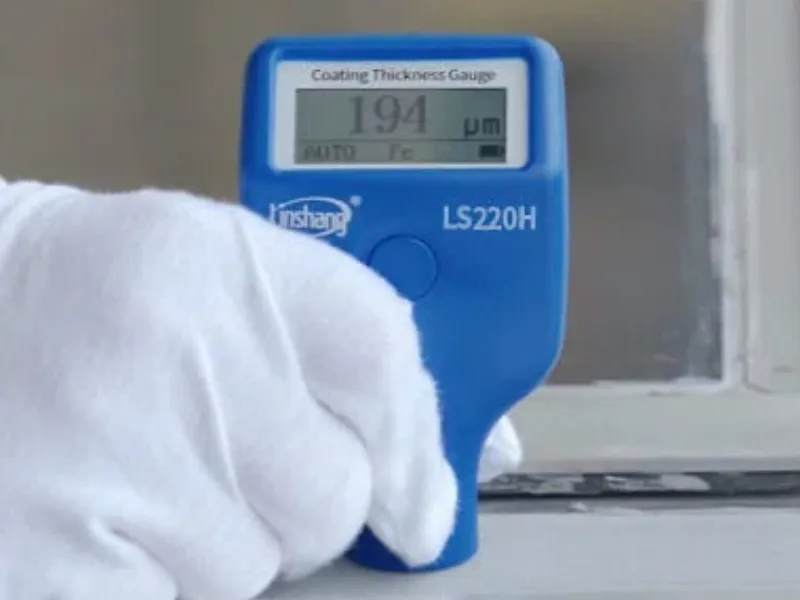
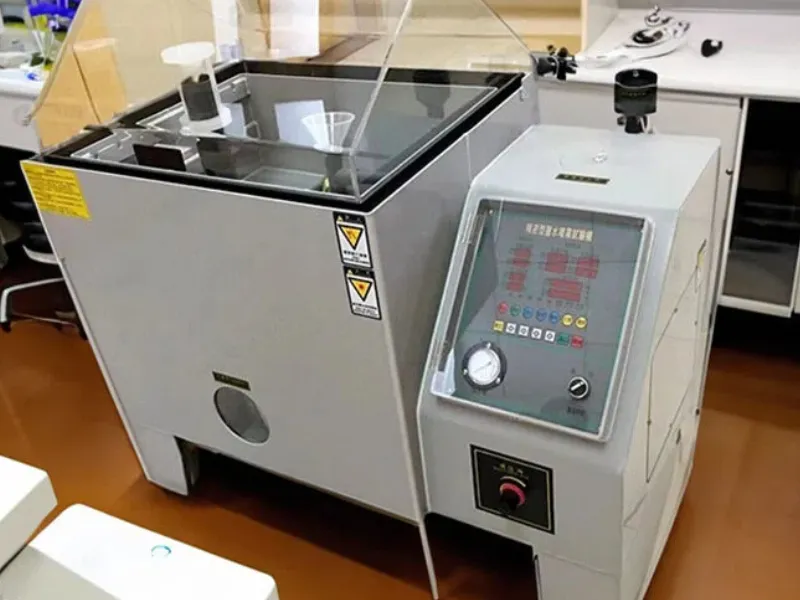
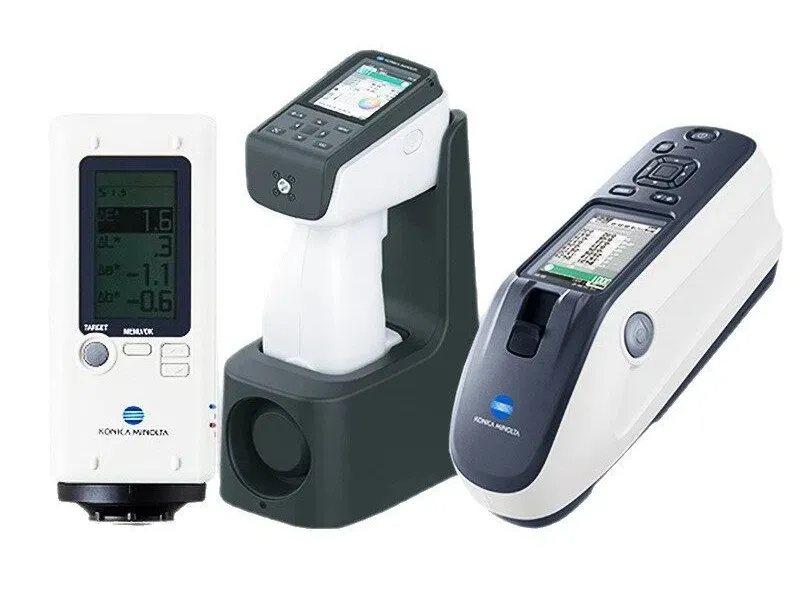
You give us the requirement. We figure out the right process, coordinate with the right specialist, inspect the result, and ship your parts. Here’s what that looks like step by step.
Which Coating Works on Your Material?
Choosing the right protective coating starts with your base material. Not every coating works on every substrate and the wrong combination wastes time and money.
| Base Material | E-Coating | AFP Coating | Anti-Rust / VCI |
|---|---|---|---|
| Cold-rolled steel SPCC, DC01 | Excellent | Not typical | Standard |
| Galvanized steel SGCC, DX51D | Good | Not typical | Standard |
| Stainless steel SUS304, SUS430 | Possible | Primary use | Rarely needed |
| Aluminum 5052, 6061 | Good | After brushing | Standard |
| Pre-painted steel | N/A | N/A | Standard |
E-coating is primarily for steel and aluminum parts needing long-term corrosion protection. AFP is for stainless steel and aluminum with decorative finishes. Anti-rust treatments apply to virtually any metal during transit.
Protective Coatings vs. Other Surface Finishing Options
If you’re evaluating multiple finishing methods, this comparison shows where protective coatings fit relative to ZAK’s other capabilities.
| Factor | E-Coating | Powder Coating | Electroplating | Anodizing | AFP Coating |
|---|---|---|---|---|---|
| Purpose | Corrosion primer | Color + corrosion + UV | Conductivity, wear | Oxide layer, hardness | Fingerprint resistance |
| Thickness | 15–25 μm | 60–120 μm | 5–25 μm | 5–25 μm | 2–8 μm |
| Color options | Limited | Full RAL/Pantone | Metal colors only | Clear, black, dye | Transparent only |
| Geometry coverage | Excellent | Good | Good | Good | Moderate |
| Salt spray | 500–1,000+ hrs | Up to 1,000 hrs | Per ASTM B633 | Per MIL-A-8625 | Up to 500 hrs |
| ZAK model | MANAGED | IN-HOUSE | MANAGED | MANAGED | MANAGED |
Need help choosing? Our engineering team reviews your part design and recommends the right finish.
Design Guidelines for Protective Coatings
Getting the best result from a protective coating starts with your part design and drawing. These eight guidelines address the questions our engineers answer most often.
Free DFM Review — Including Coating Recommendations
Upload your drawing and our engineers will recommend the right protective coating for your application.
What Protective Coatings Look Like on Real Parts
Lorem ipsum dolor sit amet, consectetur adipiscing elit. Ut elit tellus, luctus nec ullamcorper mattis, pulvinar dapibus leo.
Frequently Asked Questions
Everything you need to know about protective coating for your metal parts.
What's the difference between e-coating and powder coating?
E-coating is an immersion process that provides uniform coverage on complex geometries, including internal cavities, weld seams, and edges that spray coating can miss. It produces a thinner film (15–25 μm vs. 60–120 μm for powder coat) and offers limited color options — typically black, gray, or primer only. Powder coating provides a thicker, UV-resistant decorative finish across a full color palette. For maximum protection, we can apply both: e-coat primer for complete coverage, followed by powder coat topcoat for color and durability.
Can AFP coating be applied to any surface finish?
AFP works best on brushed (#4), hairline (HL), satin (#6), bead-blasted, and etched surfaces. We do not recommend AFP on mirror (#8) finishes because standard nano-coating formulations can create visible orange-peel texture on highly reflective surfaces.
How long does e-coating protect against corrosion?
E-coated parts typically achieve 500 to 1,000+ hours of salt spray resistance when tested per ASTM B117. Actual performance depends on substrate material, pre-treatment quality, and coating thickness. If your specification requires a specific salt spray target, include the hours on your RFQ — this affects coating selection and process parameters.
Is e-coating environmentally compliant?
Yes. E-coating is a water-based process with near-zero VOC emissions and approximately 100% transfer efficiency, meaning almost no paint is wasted. Formulations used by our coating partners are RoHS and REACH compliant.
Do I need anti-rust treatment for stainless steel parts?
Generally no. Stainless steel’s chromium oxide layer provides inherent corrosion resistance. However, for parts stored in high-humidity environments for extended periods, or mixed-metal assemblies where galvanic corrosion is a concern, we may recommend VCI packaging as a precaution. The cost is minimal; the downside of skipping it on a large export shipment is not.
What's the minimum order for protective coating services?
Minimum order quantities depend on the coating type, part complexity, and partner line requirements. We handle orders from prototype batches through high-volume production runs. Contact us with your project details for a specific quote.
Can ZAK coordinate multiple coatings on a single part?
Yes. Multi-coat systems are common across our client programs. E-coat primer + powder coat topcoat for outdoor structural parts, brushing + AFP coating for consumer-facing panels — we plan the coating sequence as part of the overall manufacturing process so that each layer is applied at the right step, in the right order.
Learn More About Surface Finishing
E-Coating vs. Powder Coating: Choosing the Right Corrosion Protection
When to use e-coat as primer, powder coat as topcoat, or both together.
How AFP Coating Extends the Life of Brushed Stainless Surfaces
Why brushed stainless needs AFP, compatible finishes, and what to specify.
Packaging for Export: How to Prevent Corrosion During Ocean Freight
VCI, anti-rust oil, and protective film, which to specify and when.
Complete Your Project
Powder Coating
In-house 525m automated line, color, corrosion, and UV protection in one coat.
Electroplating
Zinc, nickel, and chrome deposits for conductivity, wear resistance, and corrosion protection.
Brushing & Polishing
Satin, hairline, and mirror finishes, often paired with AFP coating for consumer-facing surfaces.
Packaging
Anti-rust oil, VCI, and protective film are applied here, integrated into every outbound shipment.
Ready to Protect Your Parts?
Tell us about your part, your operating environment, and your performance requirements. We’ll recommend the right protective coating and provide a complete quote.